What is a service delivery platform (SDP)?
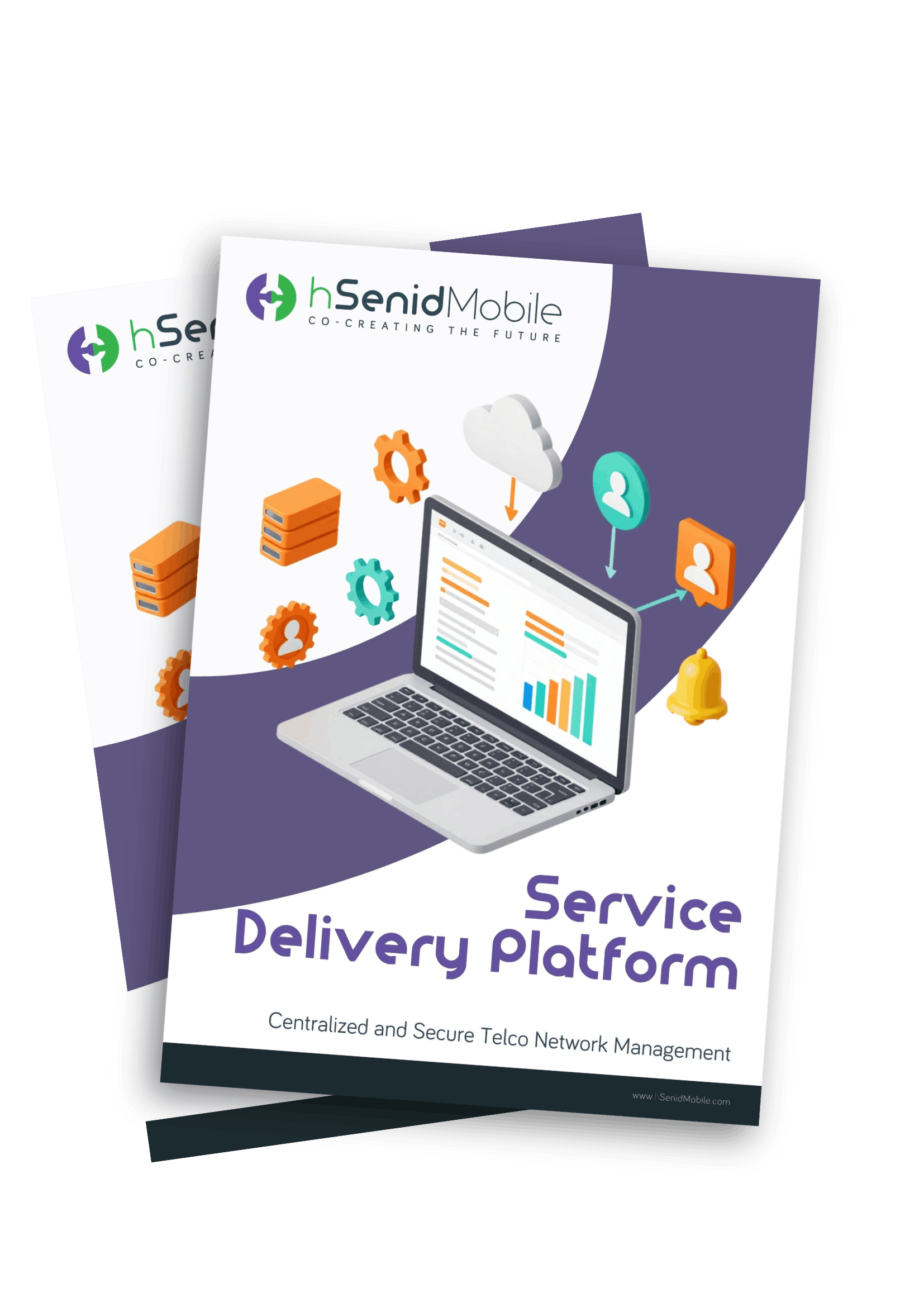
A service delivery platform is telco middleware that sits between your network and the services built on it. hSenid SDP uses service orchestration and REST APIs so you can create telco services, partner with third-party providers, and provision, control and bill every value-added service from one place.
Which APIs does hSenid SDP provide?
SMS, Subscription, Direct Carrier Billing, OBD, USSD, Location (LBS), IVR and OTP APIs, plus Charging as a Service (CaaS). They are simple, web-based REST APIs built on network assets such as SMS, MMS, Voice, USSD, Charging, Location and IVR.
Which charging models and payment options are supported?
Charging models include subscription, variable charging, direct debit, reserve and commit, per-message charging, free trial periods, and taxable and non-taxable components. Through the payment gateway, subscribers can pay with mobile accounts, bank accounts, credit cards, e-cash, reward points, and wallets or vouchers.
Can content providers test apps without involving the operator?
Yes. Content providers get a test environment to try out new ideas without involving the operator, then provision their apps through easy web-based APIs and track them with application lifecycle management.
How do we keep control of partners and apps on our network?
The governance module lets you monitor and remove abusive content from apps. Subscribers control opt-in and opt-out of apps and can report suspicious or fraudulent ones, giving you governance over every partner, system and app accessing the network.
Do we have to deploy the whole platform at once?
No. The SDP has a modular architecture, so you can select the components you need and expand the platform later. Book a demo and we'll help you map the right starting point for your network.