USSD remains one of the most practical ways to give subscribers access to digital payments without requiring a smartphone, mobile app, or data connection. For telcos, banks, fintech companies, and mobile money providers, adding wallet payments to a USSD journey can make everyday transactions faster and more accessible. The key is not simply connecting a wallet. The USSD flow, session handling, charging logic, and backend integrations all need to work together reliably.
For organizations evaluating a USSD Service Provider, wallet integration should therefore be treated as part of the wider service architecture, not as a standalone feature.
Start With the Payment Journey
Before connecting any systems, define what the subscriber should be able to do through the USSD menu.
A wallet-enabled service may allow users to check balances, transfer funds, pay merchants, settle utility bills, or complete other payment actions. The attached hSenid use case shows how USSD can support balance inquiries, instant transfers, bill payments, mobile wallet access, authentication, and session recovery.
The journey should be simple. A subscriber should not need to navigate through several unnecessary screens just to complete a familiar payment.
That is especially important when building a USSD gateway for mobile money, where transaction speed and clarity directly affect the user experience.
Connect the USSD Gateway to the Wallet Platform
Once the journey is defined, the USSD gateway needs to communicate with the wallet or external payment platform.
The hSenid USSD Gateway exposes REST APIs that allow third-party applications to connect to the operator network. This reduces implementation complexity and supports faster integration with external services.
A typical payment flow may involve the USSD application sending a request to the wallet platform, retrieving account information, validating transaction details, and returning the result to the subscriber.
The exact integration depends on the wallet provider and available APIs. The attached roadmap specifically identifies GCash wallet payment integration and broader external payment method integration as development areas for USSD flows.
For a Best USSD provider for fintech, this ability to connect with external payment ecosystems is an important consideration.
Design the Menu Around Real Payment Behavior
A wallet integration is only useful if subscribers can reach the service quickly.
USSD menus should place high-value actions such as “Send Money,” “Pay Bill,” or “Check Wallet Balance” where users can find them easily.
hSenid’s USSD framework supports dynamic menu capabilities, allowing menu content to change based on conditions such as tariff plans, class of service, and subscriber balance.
This makes it possible to create more relevant payment journeys.
For example, subscribers with an active wallet could see wallet services earlier in the menu, while users without one could be directed toward registration or activation options.
For a USSD service provider in Africa, this flexibility can be valuable because payment behavior can vary significantly between subscriber groups and markets.
Make USSD Session Management Reliable
Payments often involve several steps.
A subscriber may select a wallet, enter an amount, choose a recipient, provide authentication details, and confirm the payment.
If the session fails halfway through, the user experience can quickly become frustrating.
This makes USSD session management a critical part of wallet integration. hSenid’s gateway handles session initiation, maintenance, and termination for USSD applications. It also supports session resumption after certain unexpected timeouts, helping users return to their most recent menu instead of restarting the entire process.
For payment services, this can help create a smoother journey while reducing unnecessary repetition.
Add Authentication Before Confirming Payments
Wallet transactions usually require a form of subscriber verification.
The exact authentication mechanism depends on the wallet and operator environment, but the USSD flow should clearly separate transaction entry from confirmation.
For example, the subscriber may first enter the recipient and transaction amount, then provide a PIN or another authentication input before the request is submitted.
The attached hSenid banking example includes authentication as part of the USSD-based financial service flow, alongside wallet access and transaction capabilities.
The important point is to keep the flow understandable while ensuring sensitive transactions are not completed accidentally.
Plan USSD Billing Integration Carefully
Wallet payments and USSD charging are related, but they are not always the same thing.
A wallet transaction may move money between accounts, while the operator may separately charge for access to a premium USSD service or apply a session-based fee.
USSD billing integration therefore needs to be designed alongside the payment flow.
hSenid’s USSD Gateway supports both request-based and session-based charging and can integrate with an operator’s existing charging systems.
This gives operators flexibility to apply different charging models without changing the wallet transaction itself.
A Best USSD solution should allow this commercial logic to remain separate enough to manage, but connected enough to provide a consistent subscriber experience.
Handle Transaction Responses Clearly
After a wallet transaction is submitted, the subscriber needs an immediate and understandable response.
The menu should clearly indicate whether the transaction succeeded, failed, or requires another action.
Avoid vague confirmation messages.
For example, a successful payment flow should tell the subscriber what happened and then provide a logical next option, such as returning to the wallet menu or ending the session.
Because USSD interactions are text-based and time-sensitive, short and precise responses work best.
The hSenid platform also supports multiple languages and intelligent pagination for longer menu content, which can help operators keep payment experiences clear across different customer segments.
Monitor Wallet Traffic and Peak Usage
Wallet services may generate significant USSD traffic, especially during salary periods, promotions, bill-payment deadlines, or other high-demand events.
Monitoring should therefore be part of the integration plan.
The hSenid roadmap includes enhanced monitoring for wallet integrations, including tracking application traffic and peak usage patterns.
This can help operators understand how the payment service is being used and identify capacity or performance issues before they affect a large subscriber base.
It is especially important for a USSD gateway for mobile money, where payment services may need to remain available during periods of heavy transaction activity.
Keep the Experience Simple
The technical integration behind a wallet-enabled USSD service may be complex, but the subscriber should never feel that complexity.
A user should be able to dial a short code, choose a wallet service, enter the required details, confirm the transaction, and receive a clear result.
That simplicity is one of USSD’s biggest advantages.
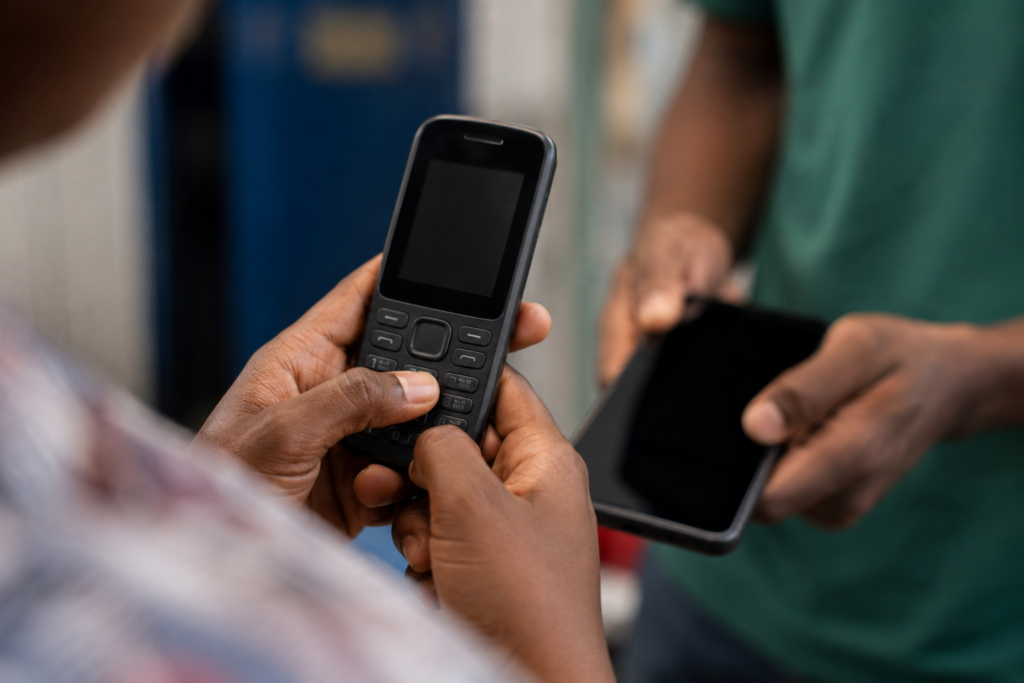
The attached hSenid material describes USSD as a way to provide app-like digital services on basic mobile phones without requiring internet access, downloads, or a data plan.
For a USSD Service Provider, successful wallet integration therefore depends on combining backend connectivity with simple menu design, reliable sessions, flexible charging, and clear transaction responses.
Building a Stronger USSD Payment Experience
Integrating wallet payments into USSD is not just about adding another menu option. It requires coordination between the gateway, wallet platform, session layer, charging systems, authentication flow, and subscriber experience.
When these elements work together, USSD can provide a practical payment channel for users across a wide range of devices and connectivity conditions.
For telcos and fintech providers, the result is a familiar transaction experience that can extend digital wallet services to more subscribers without requiring an app.