
USSD Security: How to Protect Mobile Money Sessions From SIM-Swap Fraud
SIM-swap fraud targets mobile money users. Learn how operators secure USSD sessions with SIM-swap checks, PINs and real-time fraud signals.

SIM-swap fraud targets mobile money users. Learn how operators secure USSD sessions with SIM-swap checks, PINs and real-time fraud signals.

Charge per session, per transaction or by subscription? A practical guide to USSD billing models and integrating charging without revenue

Every USSD timeout is a lost transaction. Learn what causes session drops and how session resume, smart timeouts and retries

Long menus and timeouts lose USSD customers. Use these 10 UX rules for menu depth, wording and shortcuts to raise

Declining USSD apps quietly cost revenue. Learn how AI spots at-risk applications early, from rising drop-offs to falling sessions, so

USSD services can look simple from the subscriber’s side, but the infrastructure behind them is anything but simple. A single

USSD has traditionally been seen as a simple, reliable channel for balance checks, mobile money, prepaid services, banking, and self-care.

USSD services often support high-volume and business-critical transactions. Balance checks, mobile money transfers, bill payments, prepaid services, and subscriber self-care
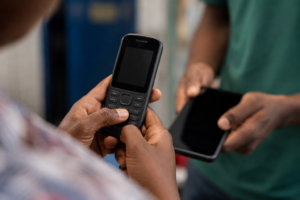
USSD remains one of the most practical ways to give subscribers access to digital payments without requiring a smartphone, mobile

USSD menus are often treated as static service channels, but they do not have to stay that way. As operators