USSD + AI + 5G: What the Next Generation of USSD Platforms Will Look Like

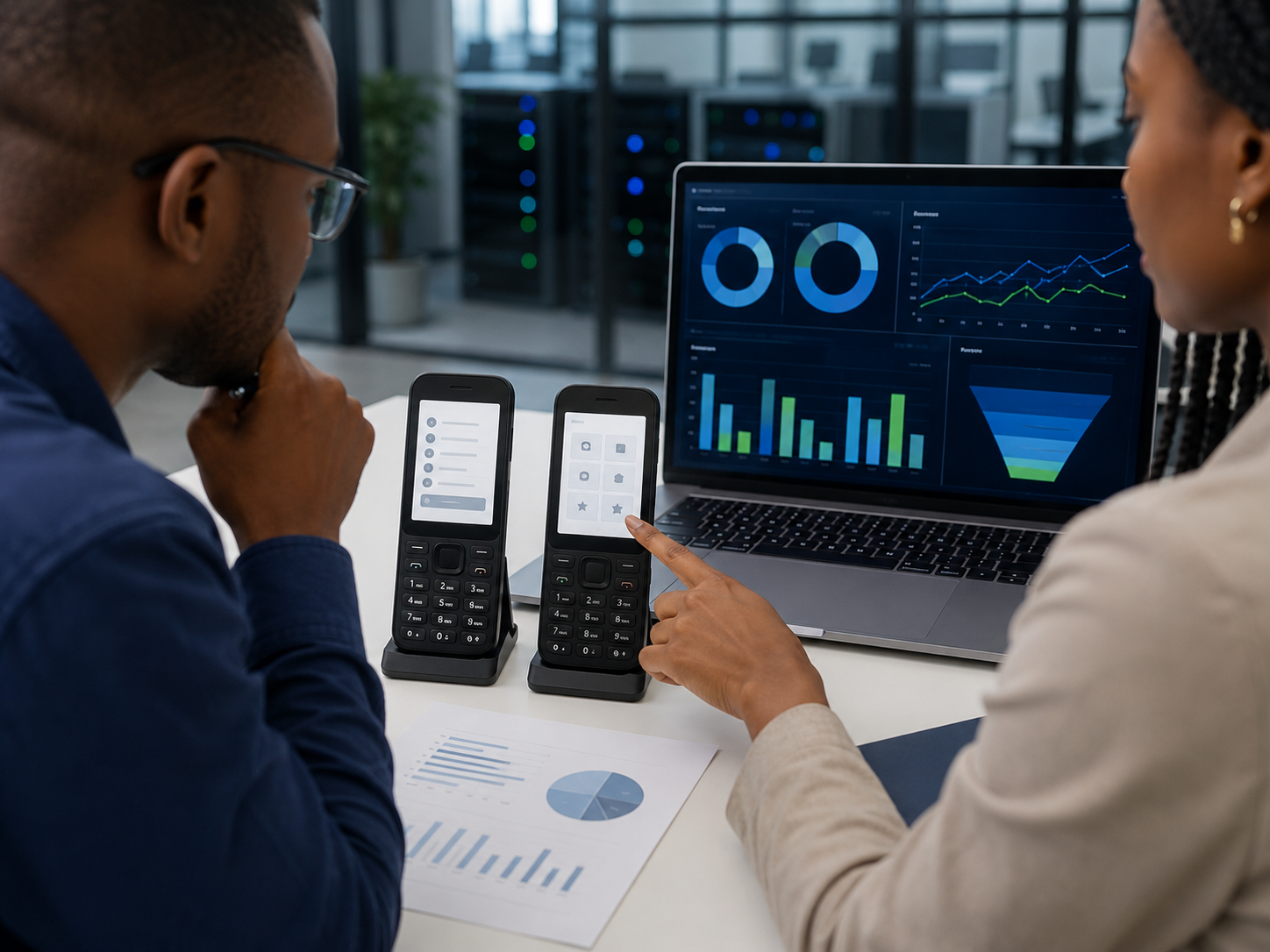
USSD has traditionally been seen as a simple, reliable channel for balance checks, mobile money, prepaid services, banking, and self-care. But the next generation of USSD platforms will look very different. As operators move toward 5G, modernized network architectures, AI-driven operations, and smarter subscriber experiences, USSD is evolving from a static menu channel into a more intelligent service platform. For a USSD Service Provider, the future is likely to combine network flexibility, AI-powered personalization, advanced monitoring, and easier service creation.

Read article
How AI Can Detect Abnormal USSD Traffic Before Service Failure

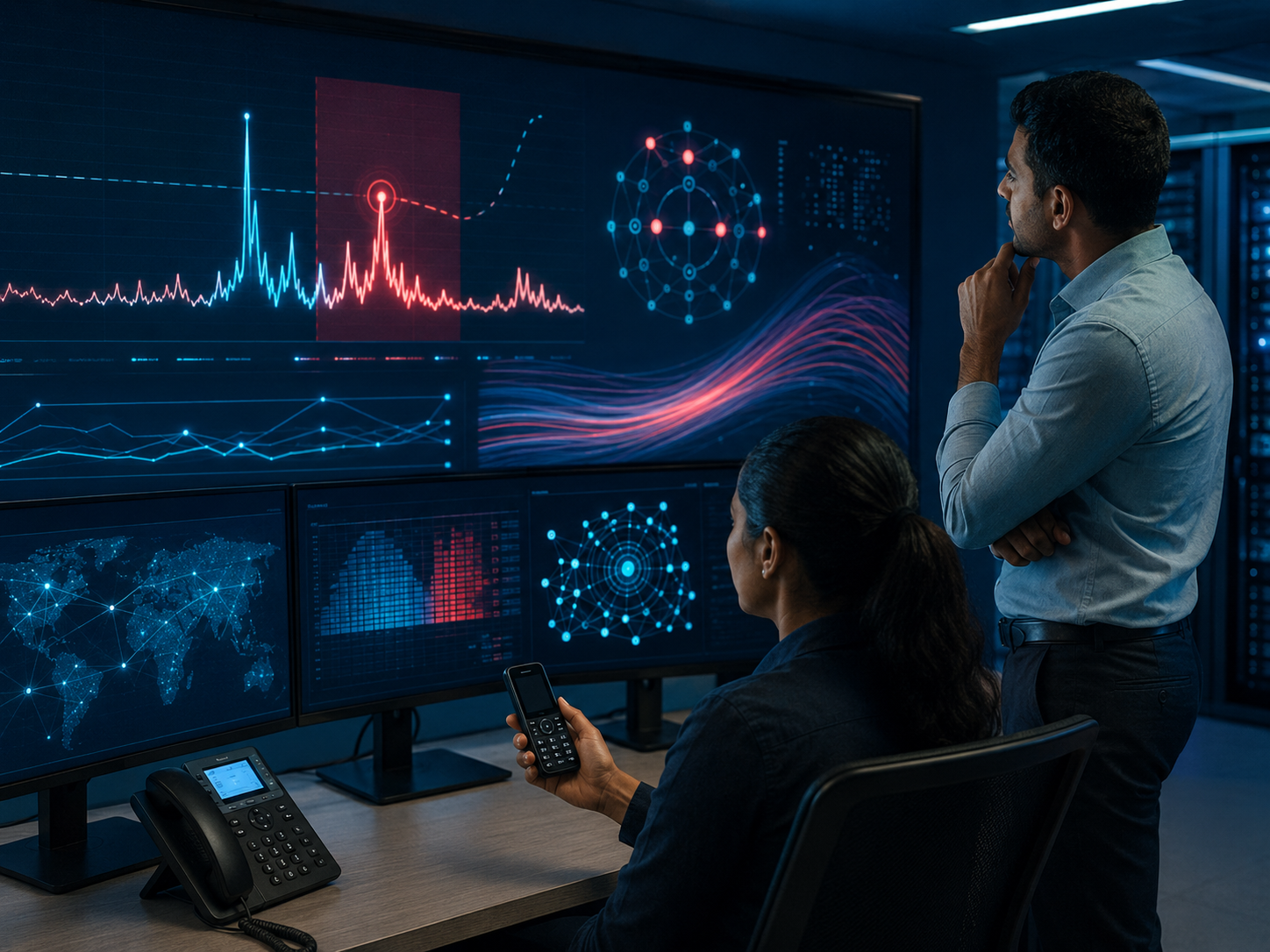
USSD services often support high-volume and business-critical transactions. Balance checks, mobile money transfers, bill payments, prepaid services, and subscriber self-care may all depend on the same platform. When abnormal traffic appears, even a small issue can quickly affect thousands of sessions. That is why operators need more than basic monitoring. For a USSD Service Provider, AI-driven anomaly detection can help identify unusual behavior early, giving operations teams more time to investigate before performance drops or a service fails.

Read article
How to Integrate Wallet Payments Into Your USSD Service

USSD remains one of the most practical ways to give subscribers access to digital payments without requiring a smartphone, mobile app, or data connection. For telcos, banks, fintech companies, and mobile money providers, adding wallet payments to a USSD journey can make everyday transactions faster and more accessible. The key is not simply connecting a wallet. The USSD flow, session handling, charging logic, and backend integrations all need to work together reliably.

Read article
A/B Testing for USSD: How Telcos Can Test New Menus Before Full Rollout

USSD menus are often treated as static service channels, but they do not have to stay that way. As operators add more services, bundles, payment options, and partner applications, even small menu changes can influence how quickly subscribers complete a task. This is why A/B testing can become valuable for telcos. Instead of rolling out a redesigned menu to everyone at once, operators can test different versions with selected subscriber groups and learn from real behavior before making a wider change.

Read article
How AI Can Optimize USSD Menus Based on Subscriber Behavior

USSD remains an important access channel for mobile banking, mobile money, telecom services, payments, and other digital experiences. Its biggest strength is simplicity. Users dial a short code, navigate a menu, and complete an action without installing an app or using mobile data. However, as USSD services grow, menus can become longer and harder to navigate. This is where AI can make a meaningful difference. For operators evaluating a USSD Service Provider, AI-driven personalization can help create faster and more relevant menu journeys for subscribers.

Read article
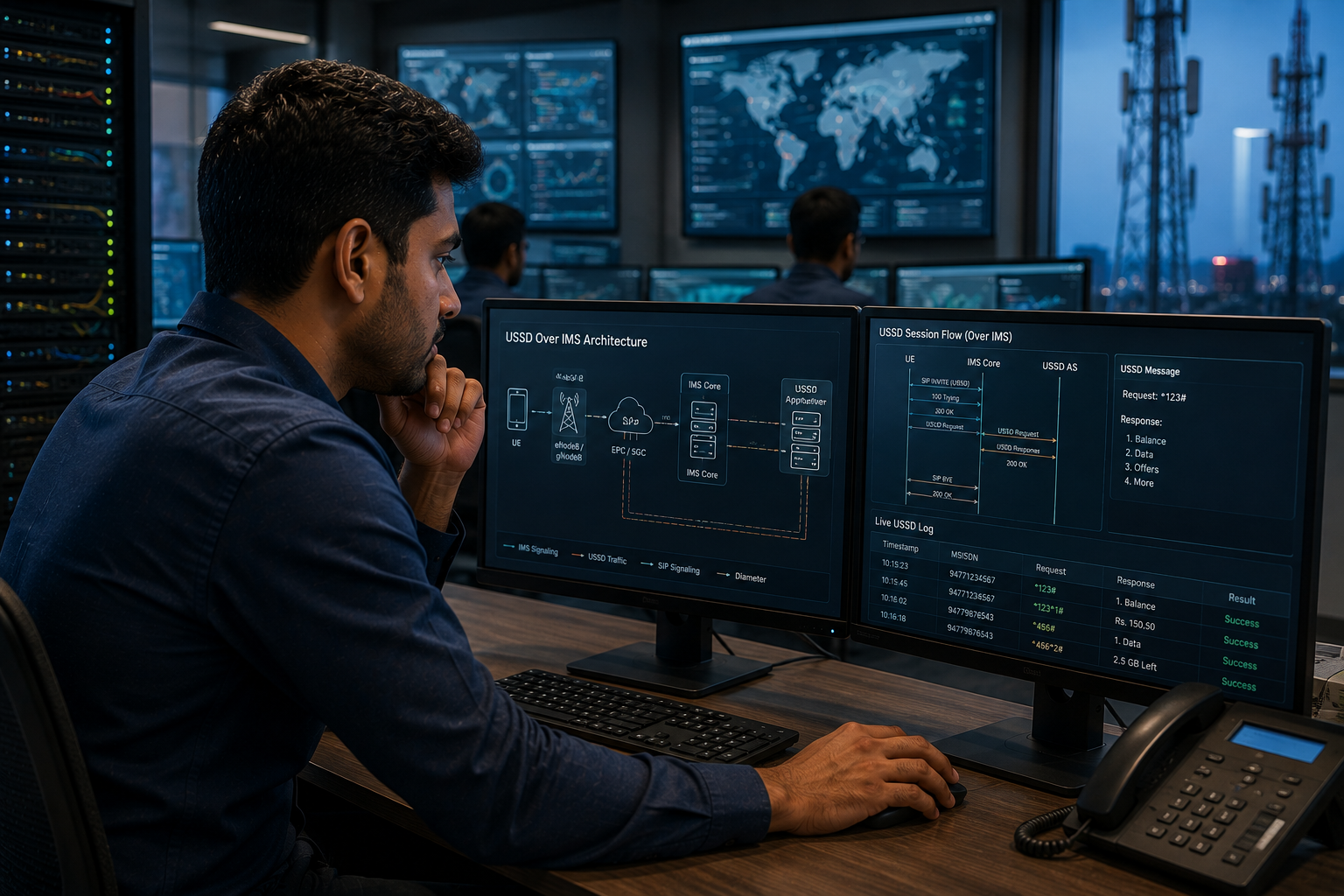
USSD Over IMS: How USSD Services Work on 4G and 5G Networks

USSD has long been associated with 2G and 3G networks, but it still has an important role as mobile operators move toward 4G and 5G. Mobile banking, mobile money, balance checks, prepaid services, account management, and enterprise applications continue to rely on simple, session-based interactions. The main change is how those services connect to the network. For operators evaluating a USSD Service Provider, support for USSD over IMS is becoming increasingly important.

Read article